
Budapest 2026 - CL FINAL Preview
Arsenal vs. PSG - Can we do it?

Can Arsenal Win the Champions League Final? The Case For and Against.
WrightPlace | Champions League Final Preview | Budapest, 30 May 2026
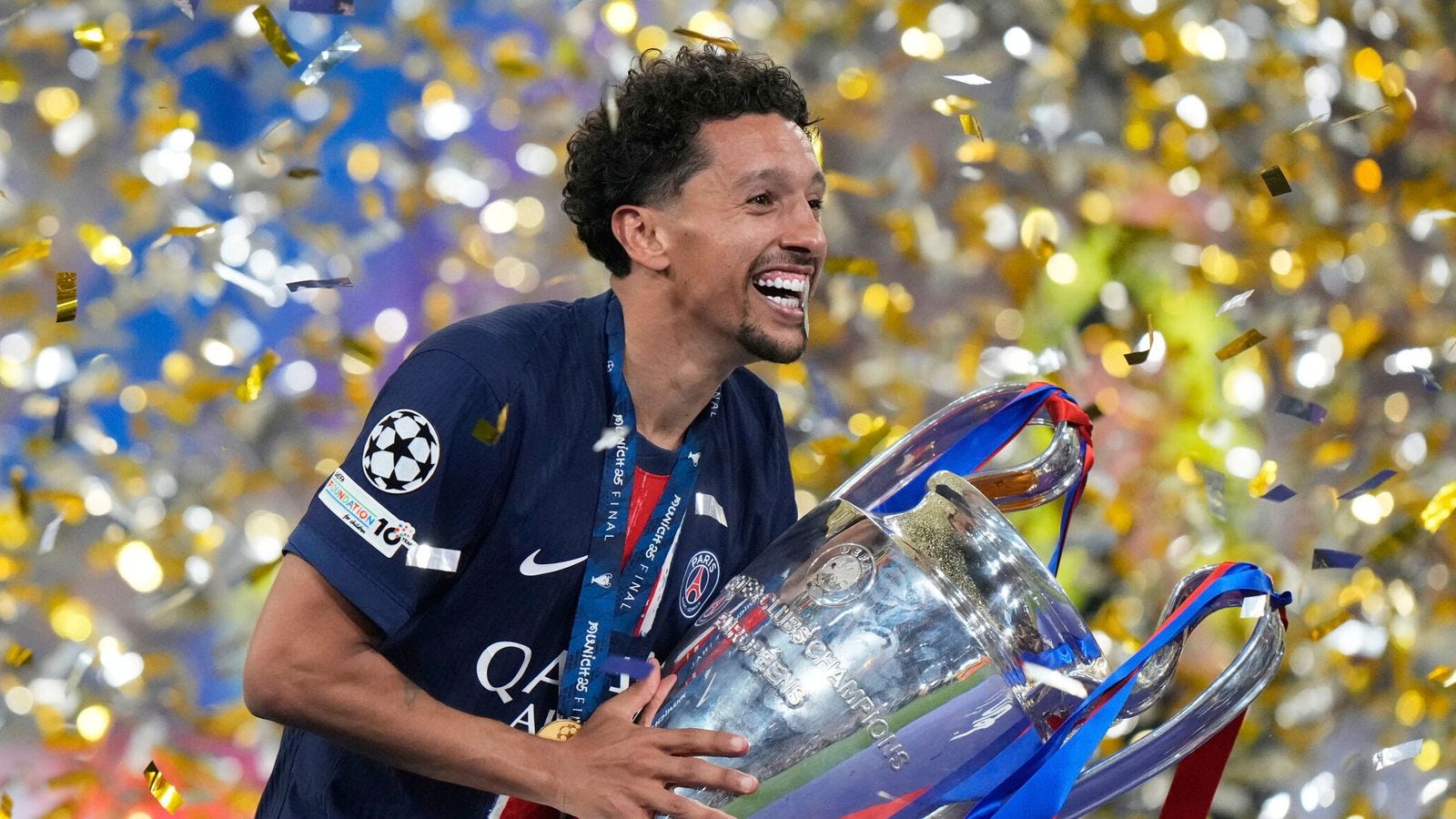
PSG are favourites. Let us start there and not pretend otherwise. The reigning Champions League holders. Ligue 1 champions again. A manager in Luis Enrique who has proved at the highest level that he can construct and execute a tactical identity capable of dismantling elite opposition. Players in Ousmane Dembélé and Khvicha Kvaratskhelia who on their day are as good as anyone in world football. A route to Budapest that included a 3-1 aggregate demolition of Arsenal in last season’s semi-final, a 6-5 aggregate win over Bayern Munich in this season’s semi-final — Kvaratskhelia scoring inside three minutes at the Allianz Arena — and a combined knockout record this season of nine wins and four draws from fifteen matches, 40 goals scored.
PSG are favourites. But favourites do not always win finals. And there is a genuine, evidence-based case for why Arsenal can win on 30 May at Puskás Aréna in Budapest. This piece makes both arguments and lands somewhere honest.
The case for PSG: why they deserve their status
Begin with context. PSG are the dominant force in French football in a way that has very few equivalents in European football. Like Celtic in Scotland or Bayern Munich in Germany, PSG’s domestic dominance is near-total — they win Ligue 1 with the regularity of clubs who are structurally operating at a level the rest of their league cannot match. That consistency of domestic excellence is the foundation on which their European ambitions are built. A side that never needs to worry about domestic survival can focus everything on the Champions League.
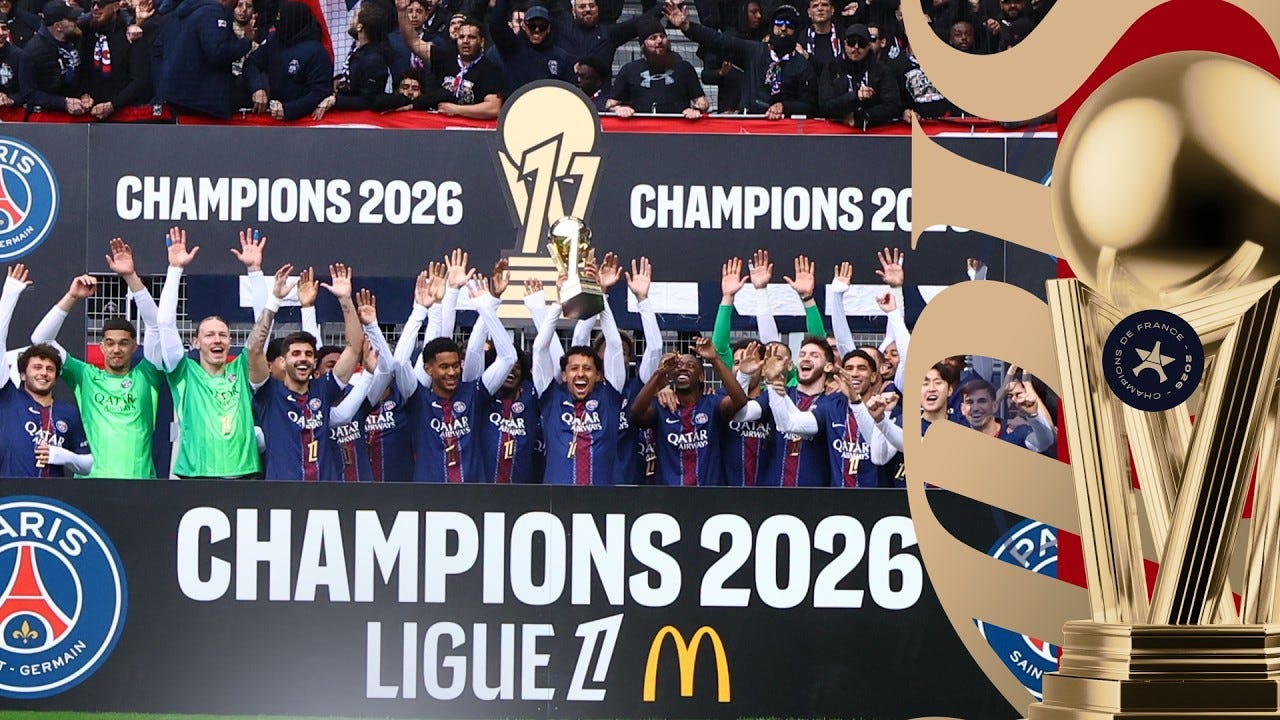
Enrique’s system is fluid, high-tempo, and built around an attacking identity that suffocates opponents in transition. Dembélé was the standout performer of last season’s semi-final against Arsenal — his goal in the first leg at the Emirates was the difference that gave PSG the platform to control the tie. Kvaratskhelia’s arrival from Napoli has added a different dimension: direct, unpredictable, capable of the single moment of brilliance that decides European ties. Vitinha and Fabián Ruiz provide the engine in midfield — technically excellent, mobile, and capable of both controlling possession and making late runs into the box.
Their record in the knockout phase tells its own story. Chelsea demolished 8-2 across two legs, Liverpool swept 4-0, Bayern edged out 6-5 on aggregate. This is not a team coasting to a final. They have beaten the best clubs in Europe to get here.
Reason 1: Arsenal’s title was harder to win than PSG’s
This is not a slight on PSG. It is a structural point about the relative difficulty of what each club achieved domestically this season — and what that tells us about mentality and quality under sustained pressure.
Arsenal won the Premier League this season among oil-funded clubs — Manchester City the most structurally dominant club in English football history over the last fifteen years — and the broader competitive environment of the so-called “big six” that makes England’s top flight uniquely difficult. No other major European league has six clubs consistently operating at a comparable level. In Spain, it is two. In Germany, effectively one and a half. In France, one — PSG.
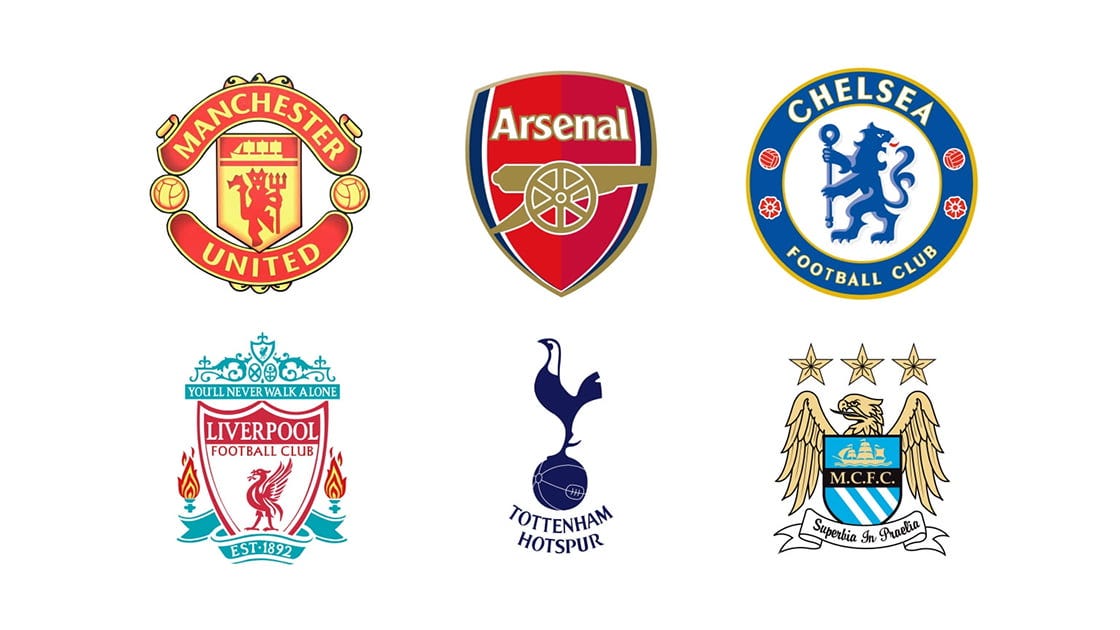
That is not a criticism of PSG. Their Ligue 1 dominance is impressive within the context it exists. But Arsenal winning the Premier League required beating City, Liverpool, Chelsea, United, Newcastle, and Spurs repeatedly across 38 matches in arguably the most competitive domestic league on the planet. The pressure, the physical demands, the tactical variety required — these are substantially different from what winning Ligue 1 requires of PSG. Arsenal arrive in Budapest having been hardened by a domestic campaign that PSG’s cannot replicate.
Reason 2: PSG are not invincible — the margins are finer than their record suggests
The evidence for this exists across the last twelve months and it is specific.
Last season’s semi-final between these two sides was decided on fine margins. PSG weathered an early Arsenal storm in the second leg, with Arsenal having the most clear chances in the match — Odegaard and Martinelli both denied by Donnarumma, Rice heading wide from six yards at a crucial moment. Had Arsenal converted one of those early chances in Paris, the tie was level and in the balance. They did not. That is the difference between the sides last season — moments of clinical finishing and goalkeeping excellence, not a structural superiority so vast it cannot be bridged.
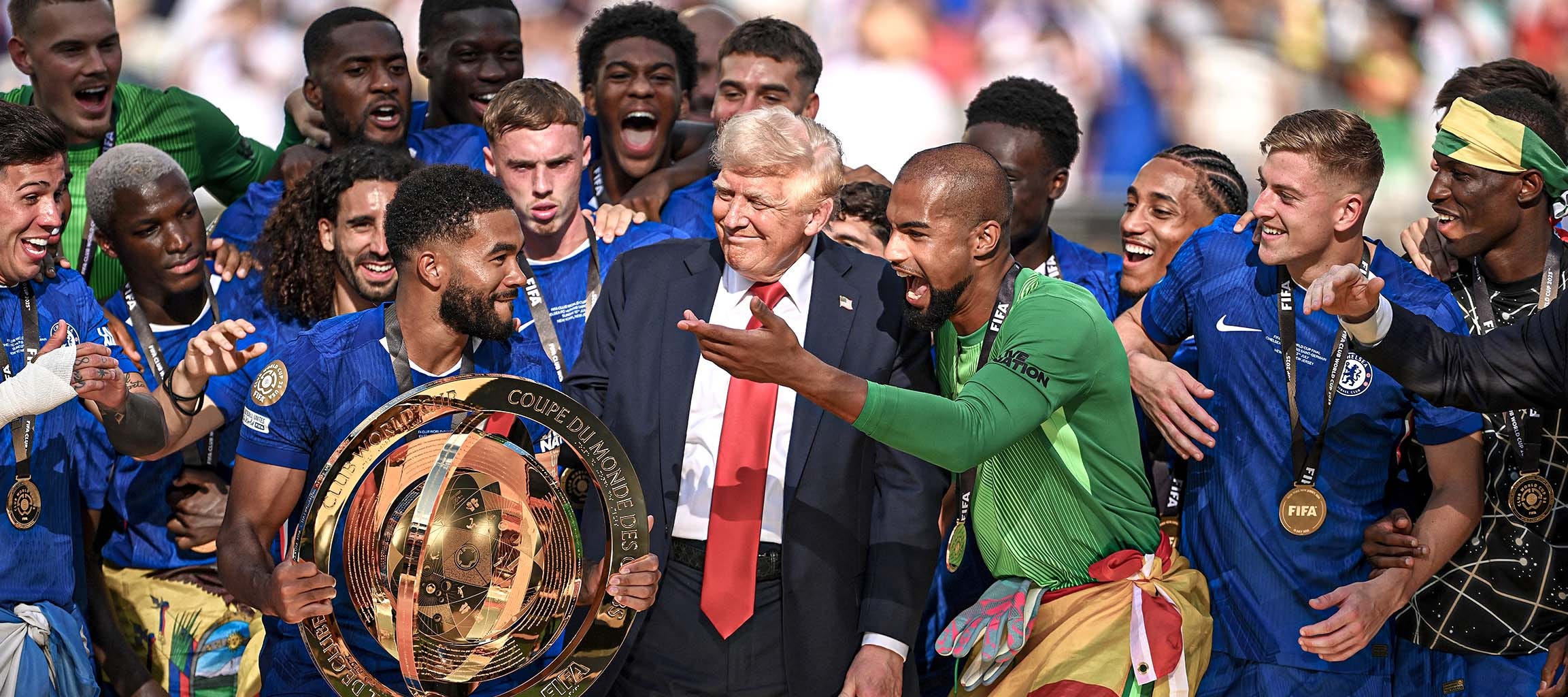
Chelsea beat PSG 3-0 in the Club World Cup final in July 2025 — Cole Palmer scoring twice in the first half-hour, Joao Pedro adding a third before the break. PSG, the Champions League holders and favourites, were dismantled by a team playing with clarity and directness. That 3-0 scoreline was not a fluke.
Tottenham led PSG 2-0 in the UEFA Super Cup in August — holding that advantage for over 80 minutes — before PSG scored twice in the final ten minutes to force penalties, eventually winning 4-3 on spot-kicks. And it should be noted — with some relish — that even Tottenham, with their two league titles and their sixty-five year domestic drought, took PSG to the very edge. If Spurs can do that, Arsenal can do considerably more.
Bayern Munich ran them to 6-5 on aggregate in this season’s semi-final. Aston Villa pushed them to 5-4 on aggregate in last season’s quarter-finals. PSG have the best attack in this season’s Champions League. They also have a pattern of being pushed harder than their reputation sometimes acknowledges.
Reason 3: Arsenal are a different kind of opponent
PSG have spent this season dismantling clubs who either tried to match them technically or sat back and invited pressure. Arsenal under Arteta are neither of those things.
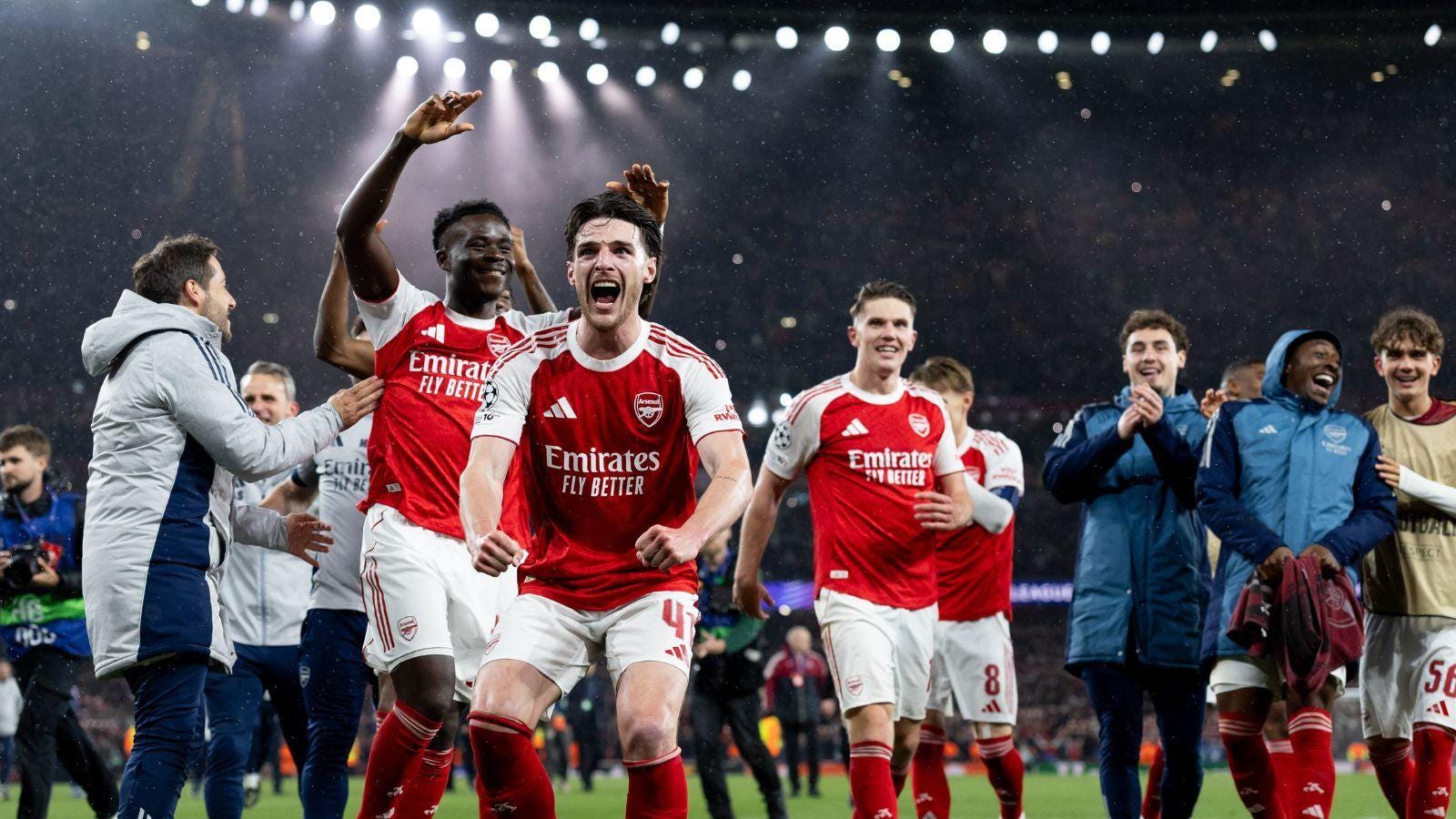
This is not the Wenger era — the fluid, technically exquisite football that made Arsenal globally recognised was built on different principles to what Arteta has constructed. But what Arteta has built is in some ways more suited to a final against a side like PSG. Arsenal are defensively disciplined in a way that makes them structurally difficult to break down — the best defensive record in this season’s Champions League, conceding just six goals in fourteen unbeaten matches. They are organised, compact, and hard to counter through. Kvaratskhelia and Dembélé are brilliant in space. Arsenal’s defensive shape, with Saliba and Gabriel imperious at centre-back, denies space. That is not nothing.
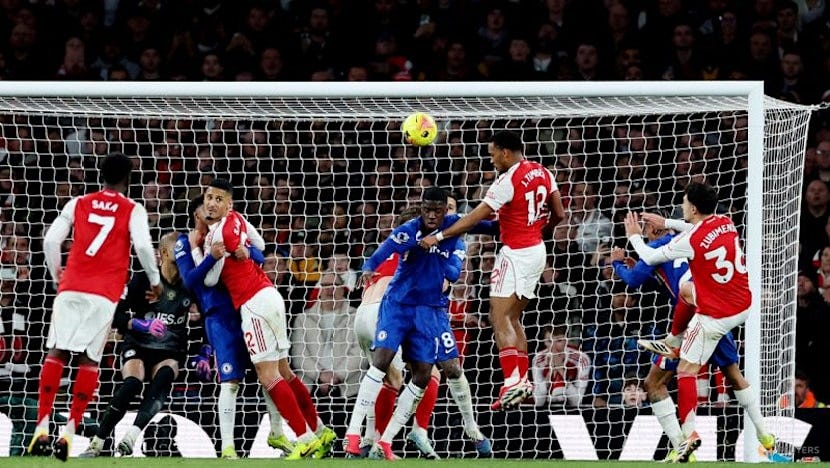
When Arsenal need to attack — and in a final they may need to — they have the quality to do it. Saka, Eze, Martinelli, Trossard, Gyökeres. The question in last season’s semi-final was not Arsenal’s technical quality; it was their clinical edge at the decisive moments. That has improved this season.
Reason 4: Arteta’s game management is improving — this is the key variable
Arteta’s in-game management has been the most discussed limitation of his Arsenal tenure. The rigidity. The slowness to react when games needed changing. The substitutions that came too late or not at all. Those criticisms were legitimate, and they were felt acutely in European ties.
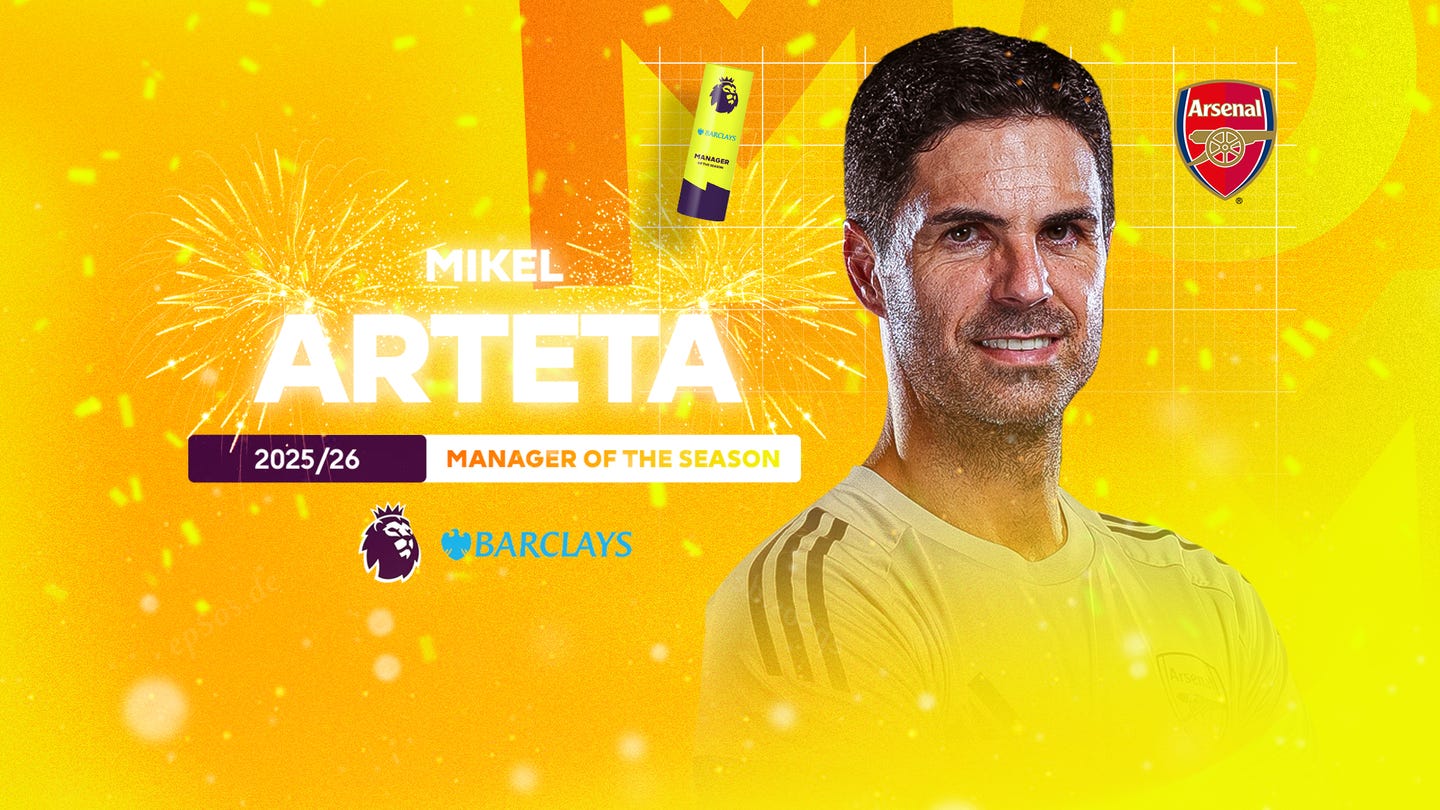
But this season has shown measurable growth. The half-time double substitution that retrieved a point against City. The Merino introduction that won the game at Newcastle. The Lewis-Skelly call in the Fulham win. The Dowman substitution against Everton. These are the decisions of a manager who is learning to read games more clearly and act on what he sees. Enrique is an elite tactician — but Arteta has now shown he can think at that level too.
Arteta knows Enrique’s system. He will have spent weeks preparing specific answers to it. He knows from last season where Arsenal were hurt and where PSG were vulnerable. The question in Budapest is whether this team — more experienced, more seasoned, Premier League champions — can do what their predecessors could not.
The verdict
PSG are favourites. They are the reigning champions, the most prolific attacking side in this season’s competition, and they beat Arsenal at this stage last year. Luis Enrique is one of the elite coaches in world football. None of that is in dispute.
But Arsenal are not here by accident. They are in Budapest as Premier League champions for the first time in 22 years, with the best defensive record in this season’s Champions League, with a manager who has grown precisely when it mattered, and with a squad that has the quality — on the day — to beat anyone.
The margin between these sides is not as wide as the odds suggest. Last season’s semi-final showed that. Chelsea’s Club World Cup win showed that. Even Spurs’ Super Cup performance showed that — and if even Tottenham can make PSG wobble for eighty minutes, Arsenal, with fourteen league titles and a very different level of squad, can go further.
PSG are favourites. Favourites do not always win finals. And Budapest is ninety minutes.